The Budapest issue
Budapest in October for Crisp Walks and Quiet Cafés
How to spend October in Budapest, when the light on Castle hill comes early, the thermal water is worth more against cold air, and the cafés and park loops have room again.

By Marek NovákNeighbourhoods, baths and the slow way round
Budapest changes register once the summer heat lets go. The plane trees along the Danube turn in the second week of October, the limestone of the Castle District stops glaring and starts holding the light, and thermal water at 38°C against ten-degree air finally makes obvious sense. It is the easiest month of the year to walk the city and the easiest one to sit still in, and the month when planning ahead pays off more than moving fast.
What October gives you
Expect daytime temperatures in the mid-teens Celsius in the first fortnight and high single figures by the last week, with nights close to freezing at the end of the month. Rain tends to arrive as showers rather than downpours, but the Castle District cobbles and the Gellért Hill paths hold water, so bring shoes with grip and a layer you can take off indoors. Cafés and baths are all warm; the walk between them is where you feel the month.
Light matters more for planning than weather does. Clocks go back at 03:00 on Sunday 25 October 2026, and sunset drops from around half past six at the start of the month to roughly half past four afterwards. Book your viewpoints accordingly. After the change, late afternoon is already the golden hour, and by six you are walking in the dark.
One date to mark: 23 October is a Hungarian national holiday marking the 1956 revolution, and in 2026 it falls on a Friday, which makes a long domestic weekend. Museums and offices keep holiday hours, public transport runs a Sunday-style timetable, and bath tickets step up to their holiday rate. Check individual opening times for that Friday rather than assuming.
Crowds thin from the second week, once the coach season fades. Two exceptions hold all month, and both have a workaround below.
Plan your Budapest trip
Live prices from our booking partners.
Free cancellation on many rooms. We may earn a commission when you book.
Buda before nine
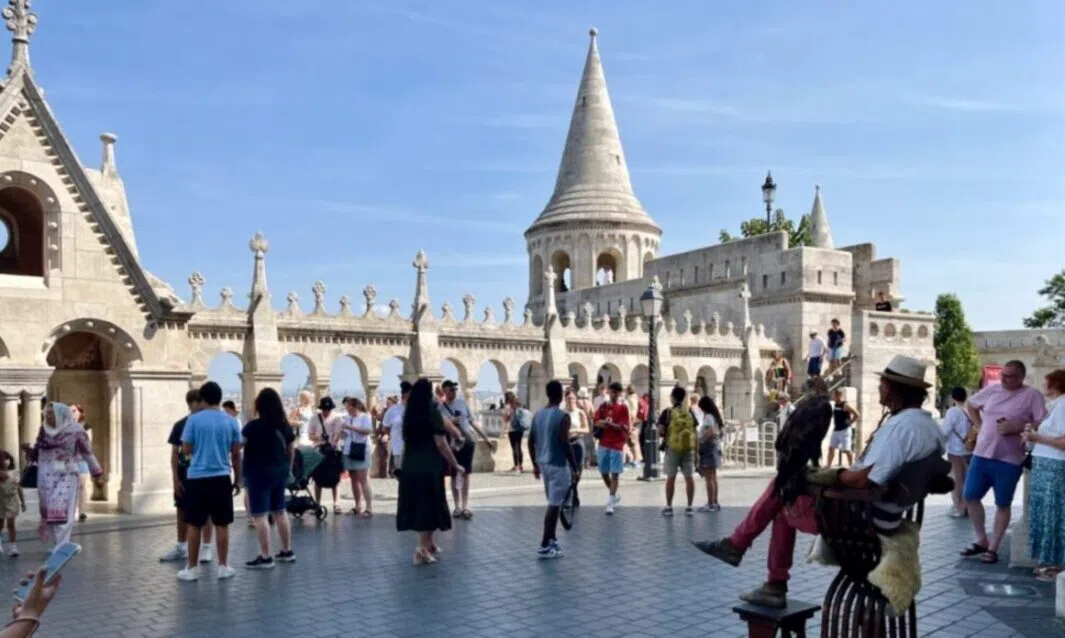
The most effective way to dodge the crowds costs nothing. Fisherman's Bastion (Castle District, Buda) charges 1,700 HUF, about €4, for the upper towers in daytime, but the upper walkway is free before 9am and again after 7pm in low season, and at that hour it is close to empty. The lower terraces are free at any time and absorb a group of any size; you buy the paid ticket on the spot by card, so there is nothing to book. October's low, raking light does more for the white stone than a July midday ever will. Get up there by bus 16 from Deák Ferenc tér, or walk from Batthyány tér and take the steps.
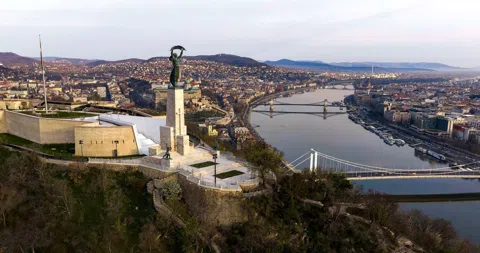
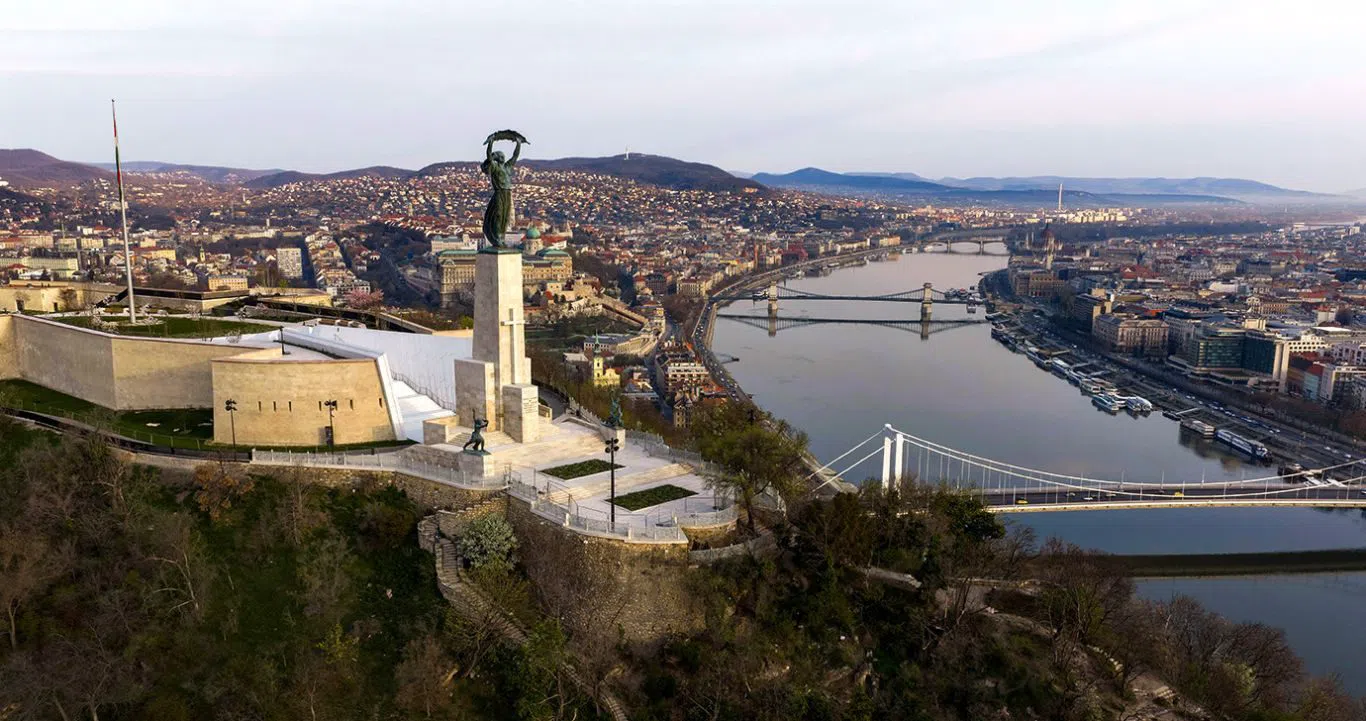
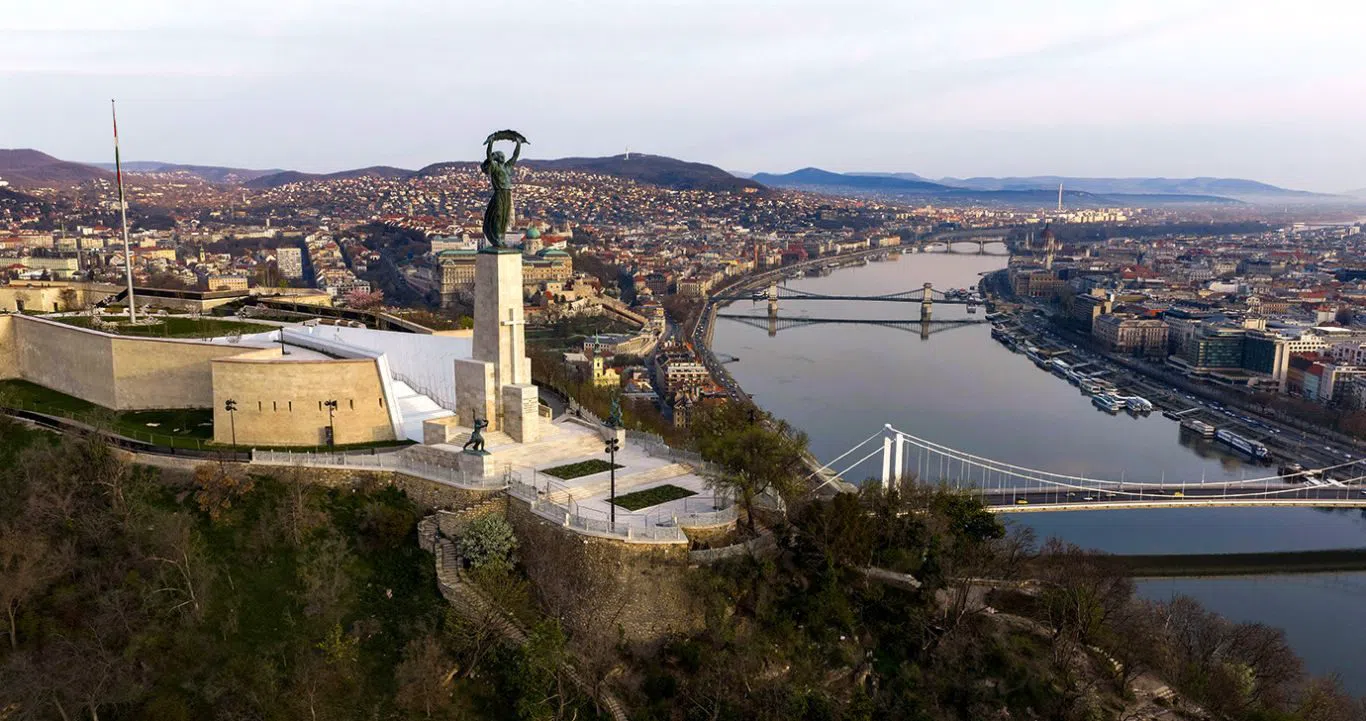
Save the second viewpoint for the end of the day. Citadella, Gellért Hill (District XI) reopened on 28 March 2026 after eleven years behind hoardings, which means the classic panorama over the bridges is walkable again. The park and terraces are free with no cap on numbers, and the indoor Bastion of Liberty exhibition sells timed tickets at roughly 3,000 to 5,000 HUF (€8 to 13) with step-free lifts to every level. The climb from the Szent Gellért tér side takes half an hour at a steady pace, and October is the right month for it.
Cafés worth the sit-down
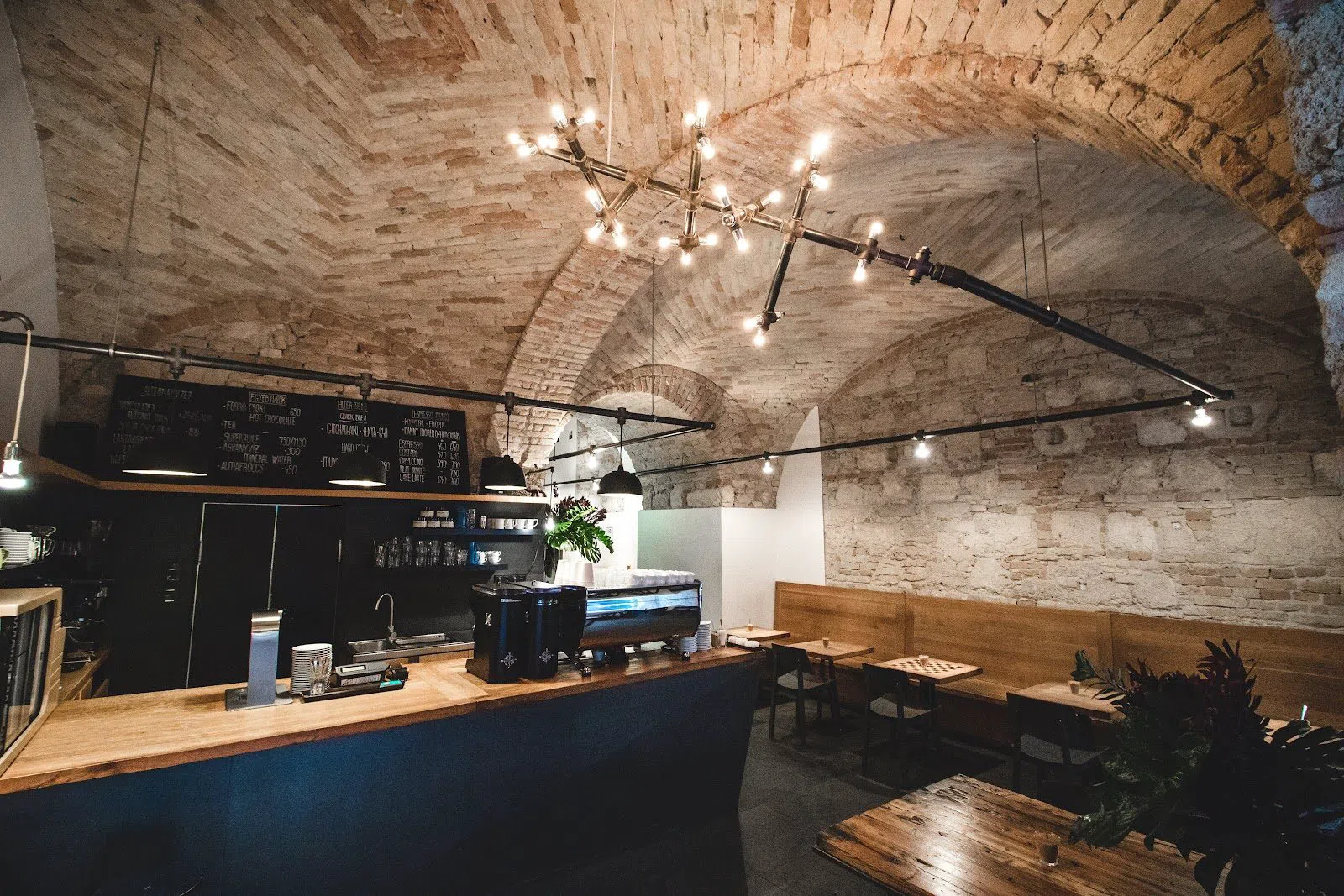
Start small. Espresso Embassy (District V, near Arany János utca) has been pouring since 2012 and placed 17th in Europe's 100 Best Coffee Shops for 2026; filter or espresso runs 1,200 to 2,000 HUF (€3 to 5). The room is tight and genuinely busy on weekday mornings, so treat it as a stop for two or three people before a cold walk down to the river, not a place to park a group.
Auguszt Cukrászda (Belváros, District V) is the quiet counterweight to the palace cafés. It has been family-run since 1870 and is now in its fifth generation, with cake and coffee at 3,000 to 4,500 HUF (€8 to 12). The room seats very few, so two to four is the honest limit and a larger party is better served taking boxes away. It opens 10am to 6pm and closes Sundays and Mondays, which catches people out on a weekend break.
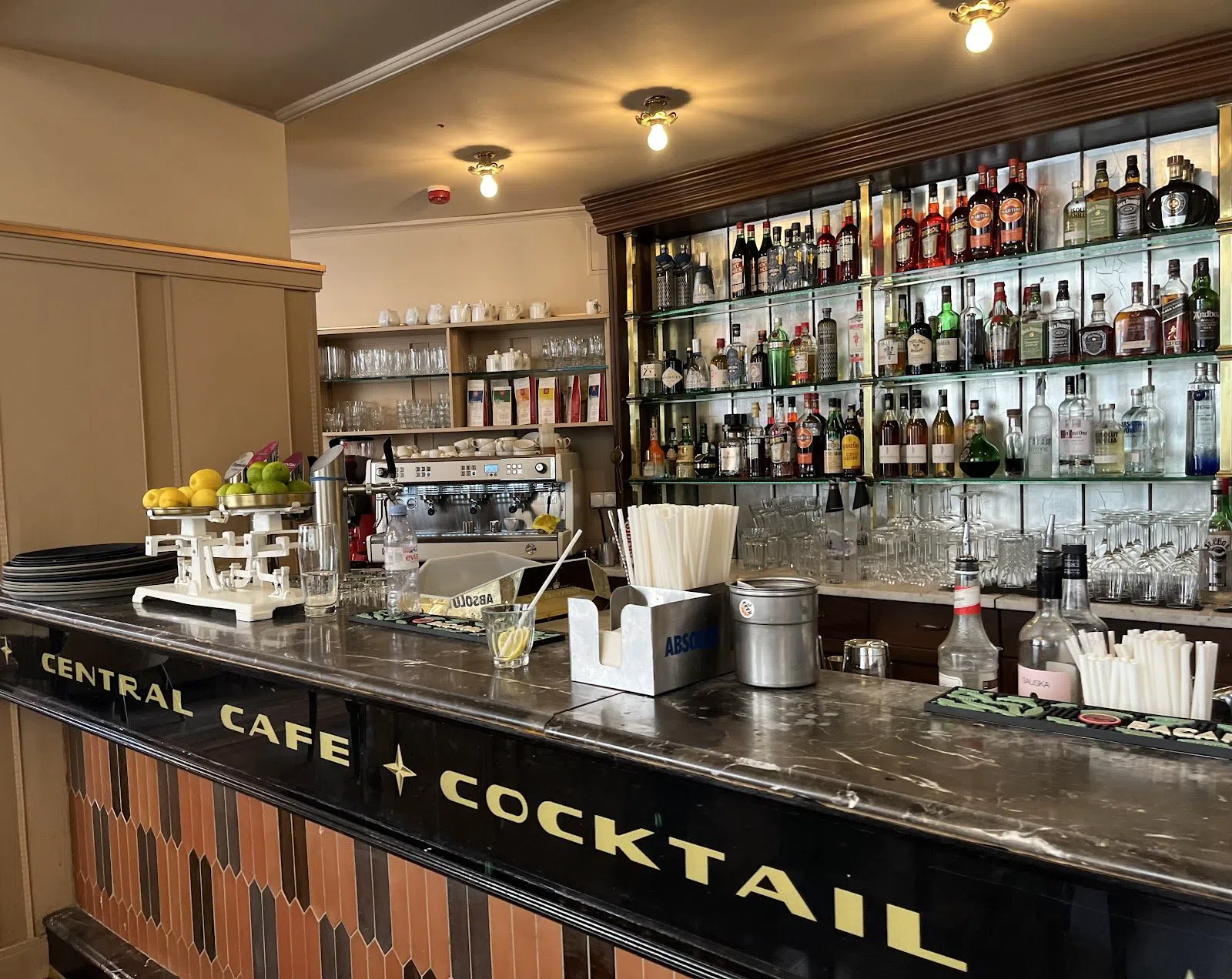
For the grand-café experience with a table you can actually get, Centrál Kávéház (Belváros, District V) reopened on 14 April 2026 after a full restoration and now runs a literary programme built around Hungary's Nobel laureates. It takes reservations, including larger tables, and spreads over two floors, so a group fits comfortably outside the lunch peak. Coffee and cake land at 4,000 to 6,000 HUF (€10 to 16), mains at 7,000 to 11,000.
New York Café (Erzsébetváros, District VII), inside the Anantara New York Palace, is the theatrical one and makes no apology for it. Coffee and dessert come in around 6,000 to 9,000 HUF (€16 to 24); afternoon tea is considerably more. Tables can be booked for up to 10 people, one month ahead, and anything larger goes through the hotel's events team. The walk-in queue is the one crowd problem October does not solve, so book a month out or arrive at opening.

Thermal water against cold air
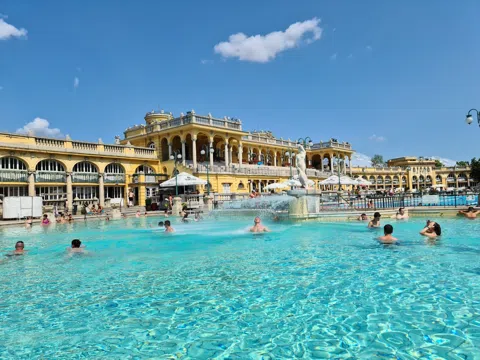
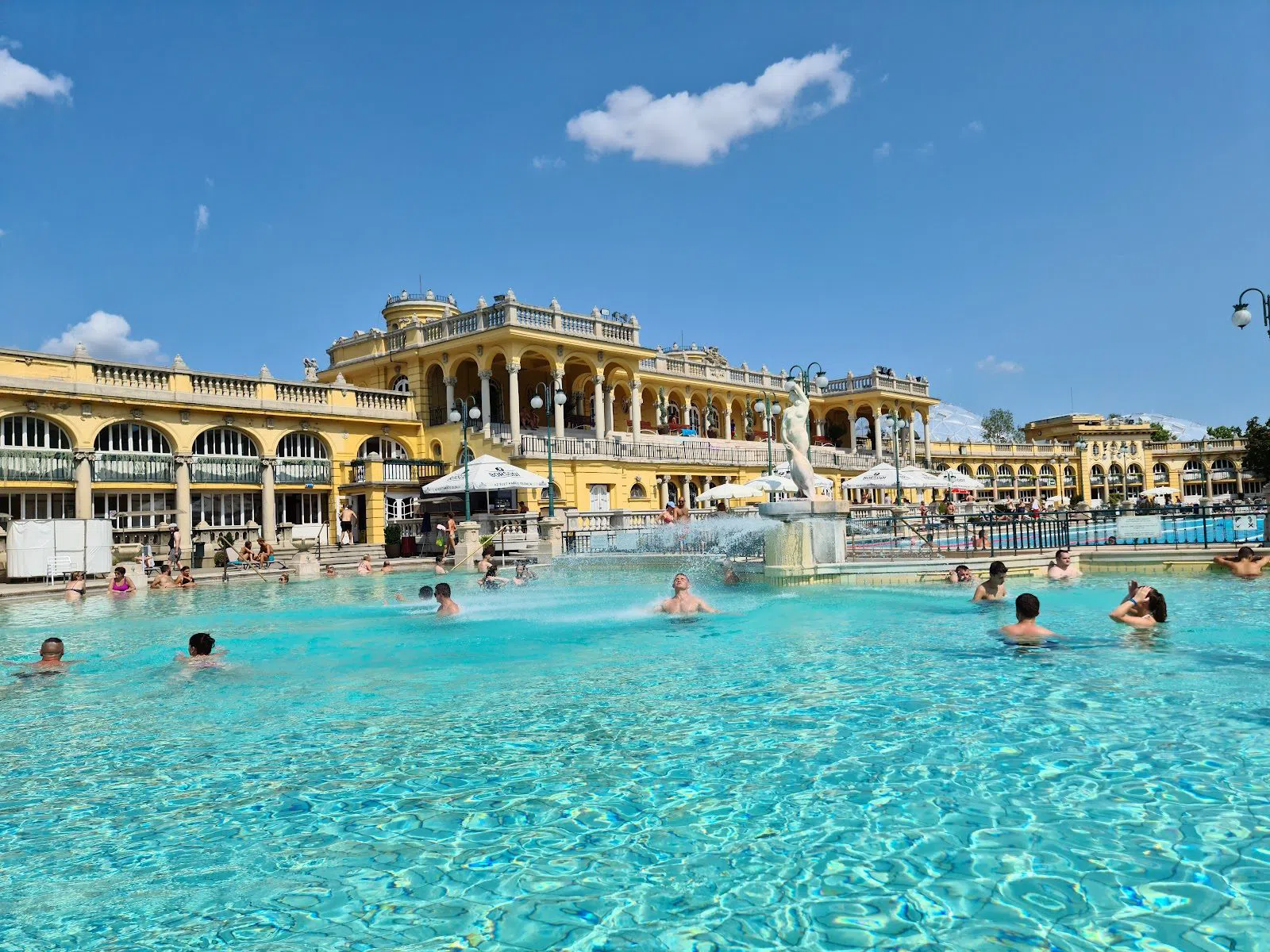
The baths are better in October than at any point in summer. Széchenyi Thermal Bath (Városliget, District XIV) keeps its outdoor thermal pools running year-round, and 38°C water against cold air is the whole appeal; the summer sunbathing crowd has gone by now. Tickets run 12,000 to 17,000 HUF (€32 to 45) depending on the day and whether you take a cabin or a locker, and they are timed and bought online. A large party should book the same slot in advance rather than turning up together and hoping.
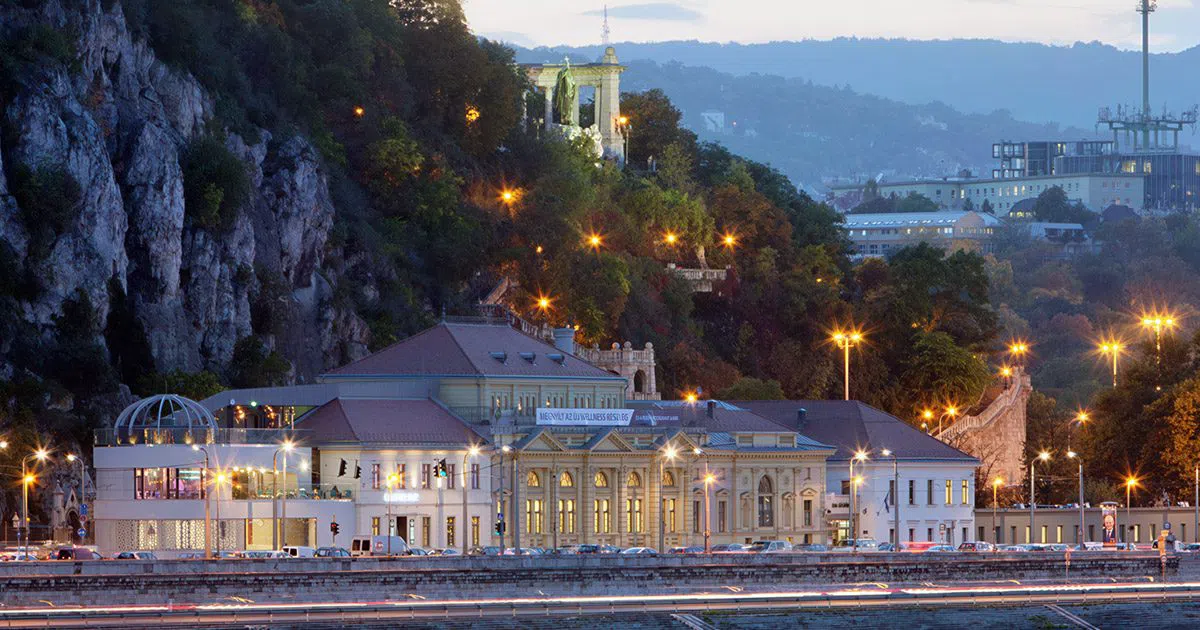
Rudas Bath (riverside Buda, at the foot of Gellért Hill) gives you a 16th-century Turkish dome and a rooftop panorama tub on one ticket, at 12,000 HUF on weekdays and up to 16,000 HUF (€34 to 45) on holidays, 23 October among them. It takes groups but is strictly over-14s, and the rooftop tub is small enough that a full session feels cramped. Book a weekday slot online; the night sessions sell out.
If avoiding crowds is the reason you came in October, go to Lukács Thermal Bath (District II, Frankel Leó út). It is the bath Budapest locals actually use, at about 8,312 HUF (€22) for a full day with a locker, walk-in with no booking, and easily able to absorb a small group. One caveat for 2026: the men's changing rooms and the private bath service are under renovation through the year, so facilities are reduced.

A grey afternoon in the City Park
When the rain sets in, Városliget carries a full afternoon indoors. House of Music Hungary (Városliget, District XIV) sits under Sou Fujimoto's perforated canopy, which reads best in October with the leaves turning through the holes. The exhibition costs around 3,500 to 4,000 HUF (€9 to 11) on timed tickets, with group bookings and guided tours available, and the sound-dome installation is worth a wet afternoon on its own. Concerts are listed on the official site and priced separately.
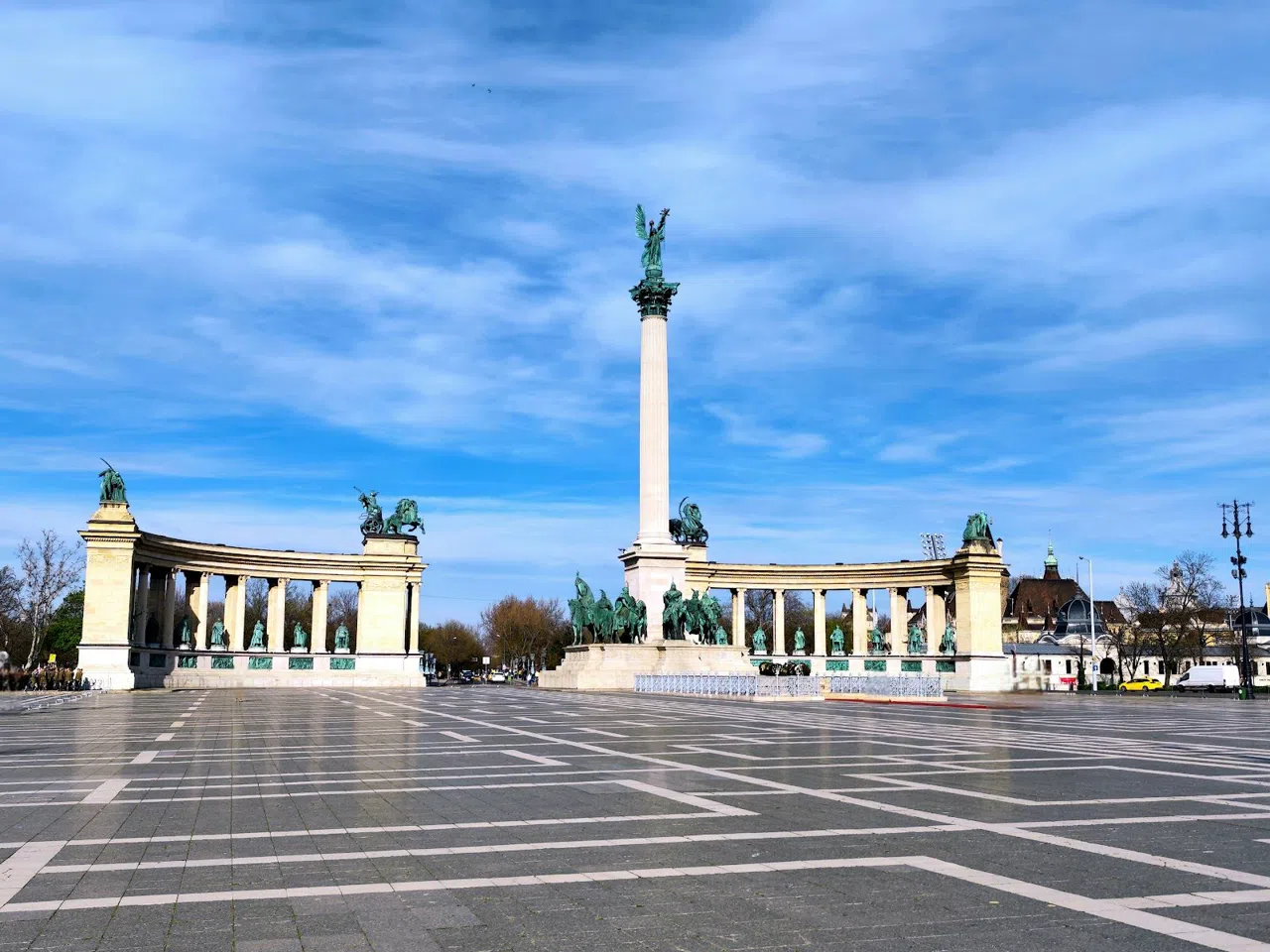
A few minutes away, the Museum of Ethnography (Városliget, District XIV) charges roughly 3,500 to 4,500 HUF (€9 to 12) and offers group tickets and tours, but the part most visitors miss is free. Its 7,000 m² roof garden is open to all, and walking up that sloping meadow is the natural end of an autumn park loop, with the city laid out beyond the trees. Take the M1 metro to Hősök tere, work through both buildings, then finish in the water at Széchenyi a short walk further in.

Where the leaves are worth the trip

The best hour of autumn colour in Budapest is on the Children's Railway (Gyermekvasút, Buda Hills, District XII), a narrow-gauge line staffed by ten- to fourteen-year-olds since 1948 under adult supervision. Tickets are walk-on at roughly 1,500 to 2,500 HUF (€4 to 7) per leg and it handles a group without fuss, but note it closes on Mondays from early September to the end of April.
The route that works best is tram 59 or 61 to Városmajor, the cog railway up to Széchenyi-hegy, then the train toward Hűvösvölgy. Get off partway and walk down through Normafa or János-hegy for the beech woods, or ride to the end and come back on tram 61 to Széll Kálmán tér. Allow half a day and take a flask; the hills sit several degrees cooler than the river.
Flat walks and a working market
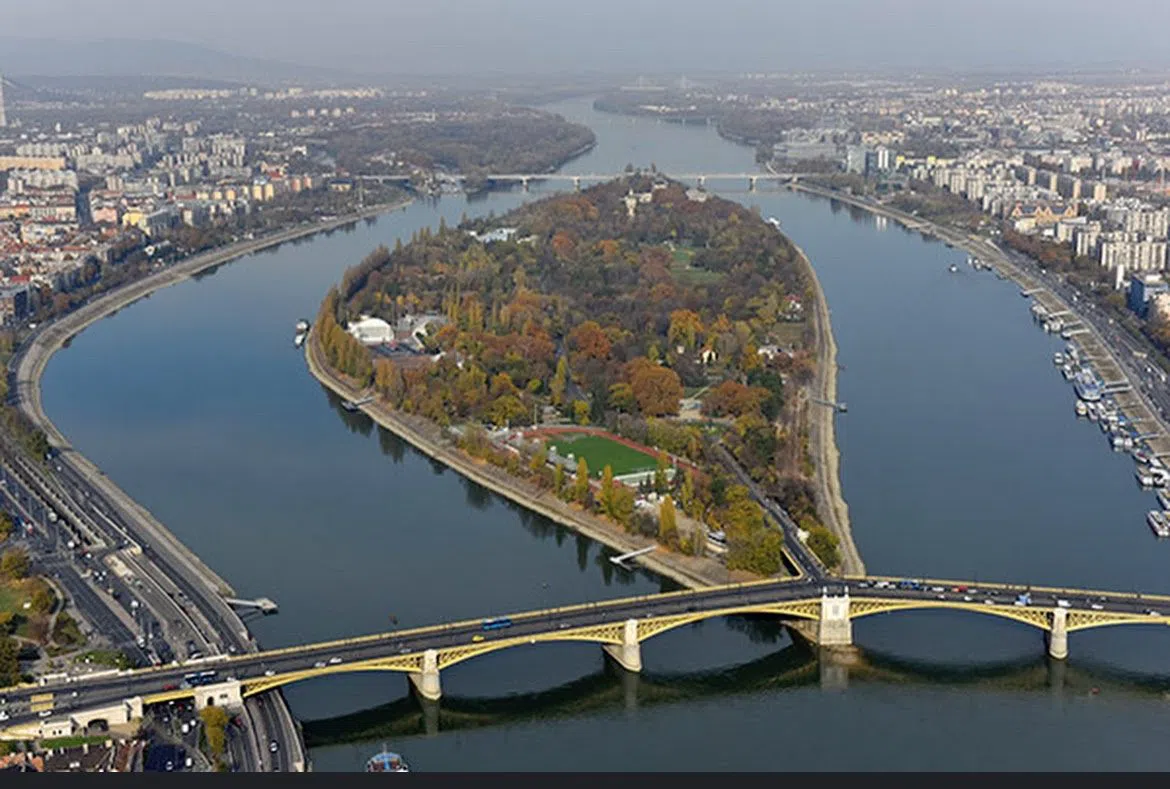
Margaret Island (Margitsziget, in the Danube between Buda and Pest) is the flat, car-free counterpoint to all that climbing. The perimeter loop measures 5.5km, the park is free and open around the clock, and the musical fountain plays hourly from 10am to 10pm until 31 October before shutting for winter, so the last day of the month is your last chance at it. Trams 4 and 6 stop on the bridge at the southern end.
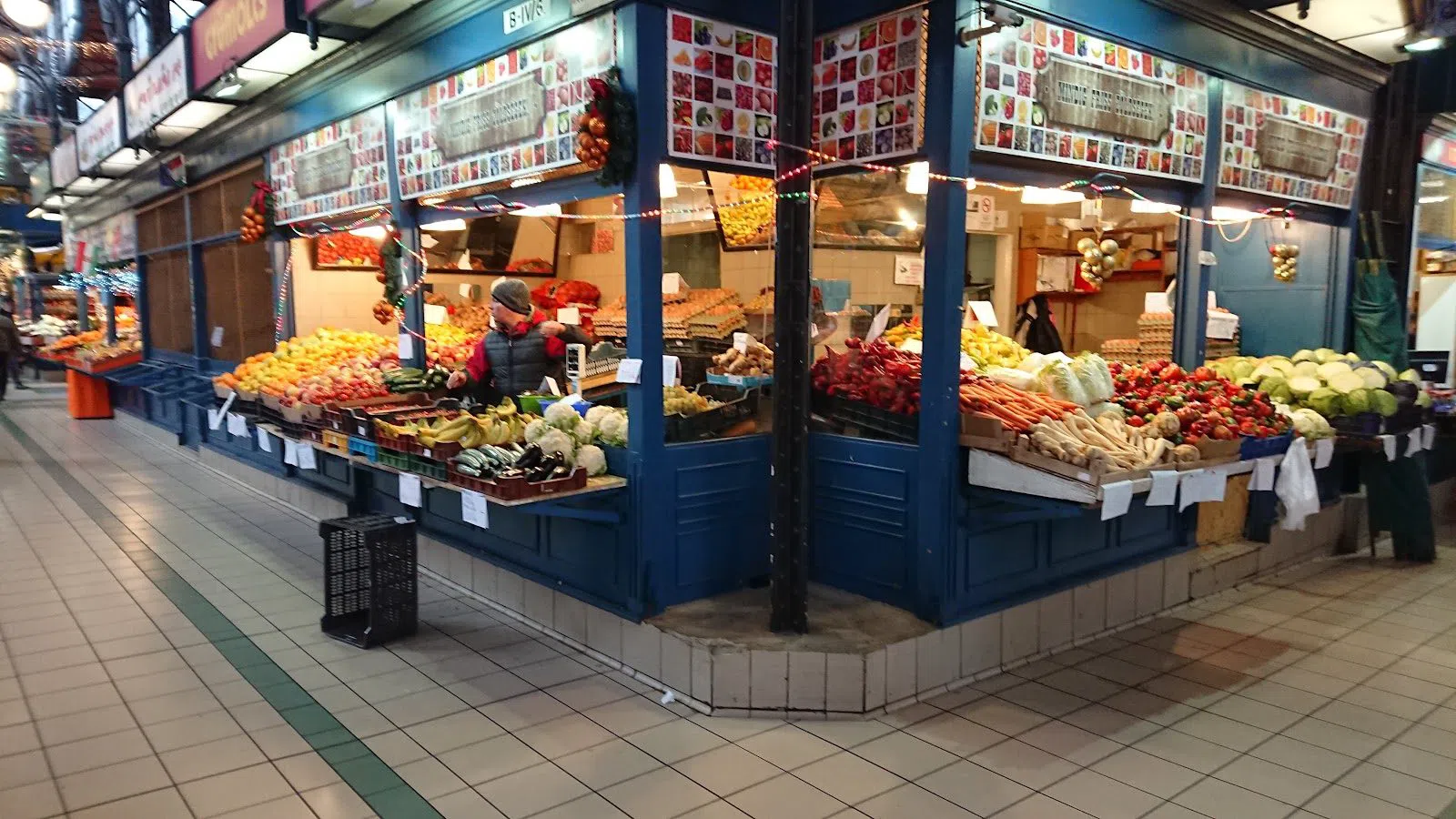
For food, the Great Market Hall (Nagyvásárcsarnok, Fővám tér, at the Pest end of Liberty Bridge) is free to enter, needs no booking and handles any group, with produce and lunch counters at 2,000 to 5,000 HUF (€5 to 13). October is paprika and quince season on the ground floor, and that is the reason to come. Go on a weekday before 10am, when it is a working food market; by midday the upper gallery is shoulder to shoulder with souvenir stalls.
Evenings and one very good dinner
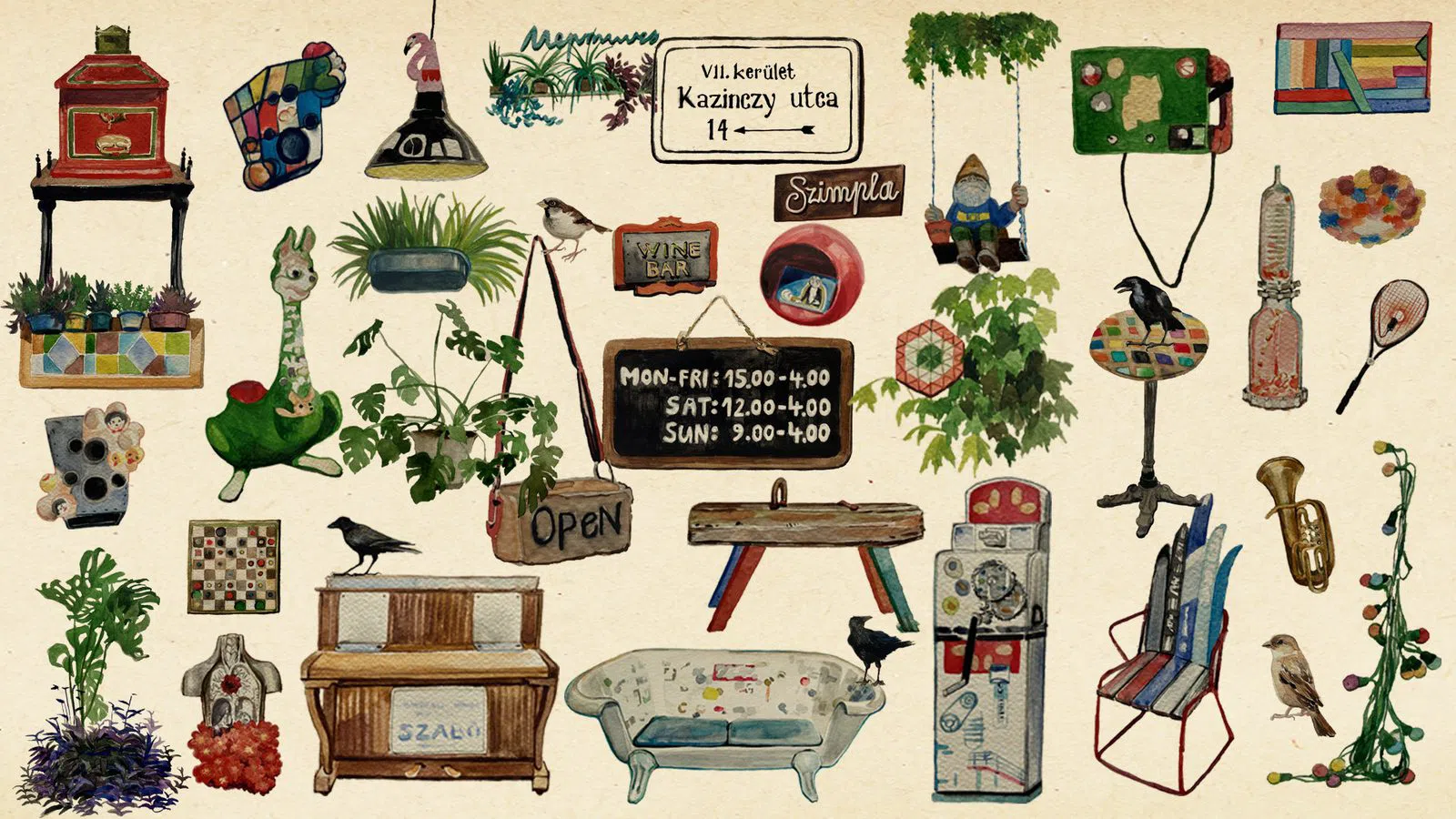
Szimpla Kert (Kazinczy utca, District VII) is the original ruin bar, running since 2002, and it still holds up. It is walk-in only with no reservations, genuinely built for groups, and open daily from noon. Go in the afternoon, which is the quiet, legible version, when you can see the building rather than the crowd. Beer runs 1,500 to 2,200 HUF (€4 to 6). If late nights are not the plan, come to the Sunday morning farmers' market held in the same courtyards.
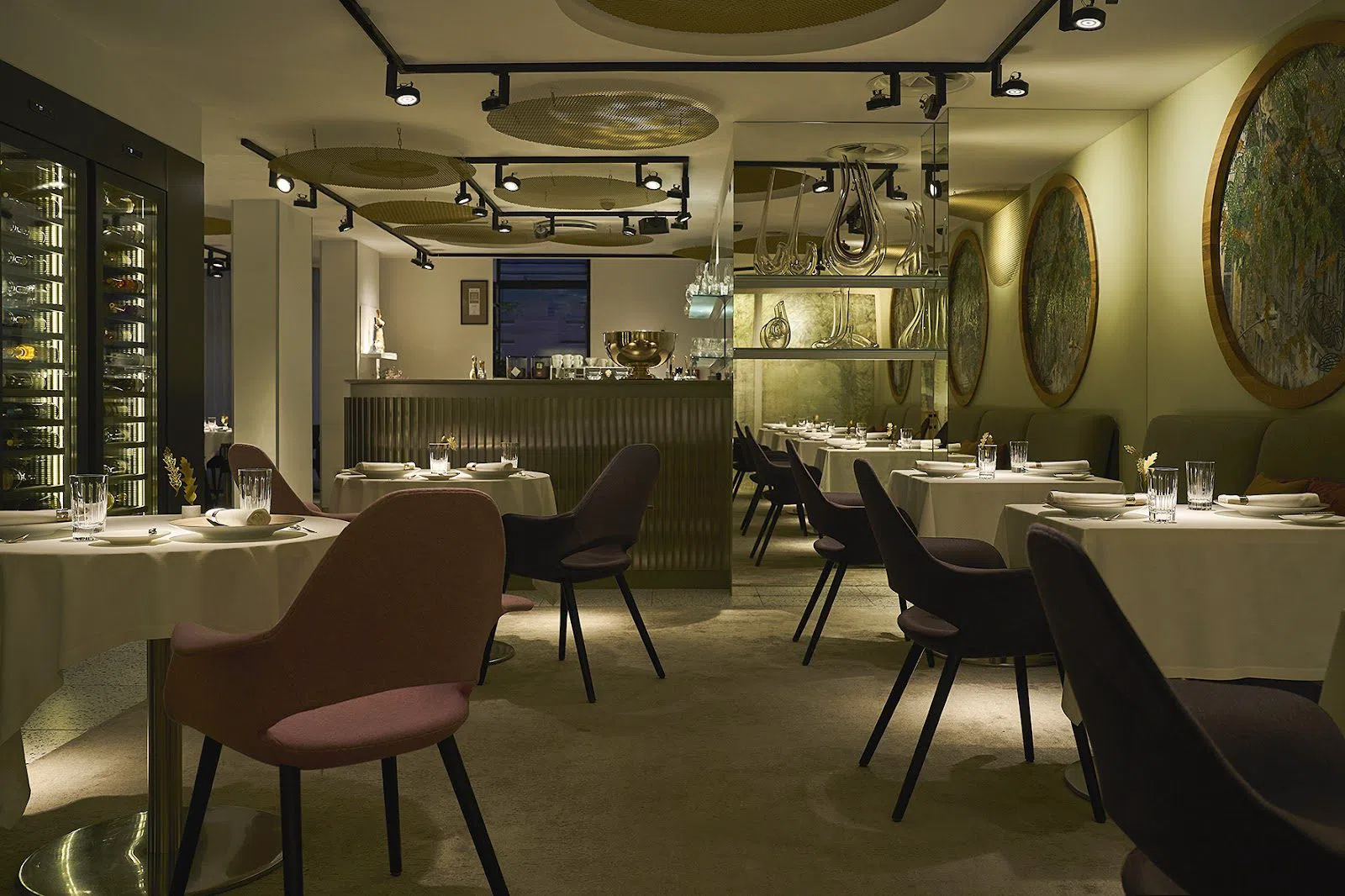
At the other end of the scale, Stand (District VI) is Budapest's only two-Michelin-star kitchen, from Tamás Széll and Szabina Szulló, with an eight-course tasting menu at around 89,500 HUF (about €246). The room is small and reservations through the online system are essential; large parties should contact the restaurant directly rather than booking in blocks. It has added Saturday lunch from October, which is the easier seat to get if the evening dates are gone.
Practical notes for the trip
Buy transport tickets and 24- or 72-hour passes in the BudapestGO app and validate before travelling, because inspectors work the metro barriers and tram doors. The M1 line runs under Andrássy út to the City Park, trams 4 and 6 circle the ring road day and night, tram 2 runs the Pest riverbank, and bus 16 climbs to the Castle. From the airport, the 100E express bus to Deák Ferenc tér requires its own dedicated ticket that standard passes do not cover. For taxis, use Bolt or Főtaxi rather than flagging a car down.
Hungary uses the forint, not the euro, and prices quoted in euros are a courtesy rather than a payment option. Cards work almost everywhere including the market counters, but always decline dynamic currency conversion when the terminal offers to charge you in your own currency. Withdraw from bank-branded ATMs rather than the standalone machines on tourist streets. Many restaurants add a service charge of 12 to 15%, so check the bill before tipping again.
For timing, take the viewpoints and the market in the morning, museums in the afternoon, baths after dark. Reserve Centrál, New York Café and Stand ahead; everything else here takes walk-ins.
A comfortable day of coffee, a market lunch and free viewpoints sits around 12,000 to 18,000 HUF per person. Add a bath and it becomes 25,000 to 35,000. Stand is a separate category entirely.
For where to base yourself, District V, VI and VII put nearly all of this within a walk, so start with a Budapest hotel search, and see the wider Budapest guide for the rest of the city.
Before you go
Is October a good month for Budapest's thermal baths?
October may be the best month for it. Széchenyi keeps its outdoor thermal pools running year-round, and 38°C water against cold air is the point; with the summer bathers gone, the pools are noticeably calmer. Széchenyi costs 12,000 to 17,000 HUF on timed online tickets, Rudas 12,000 HUF on weekdays (over-14s only, small rooftop tub, book ahead), and Lukács about 8,312 HUF walk-in for the quietest option, though its men's changing rooms are under renovation through 2026.
How cold does Budapest get in October, and how early does it get dark?
Daytime temperatures sit in the mid-teens Celsius early in the month and drop to high single figures by the end, with nights near freezing in the final week. Clocks go back at 03:00 on Sunday 25 October 2026, so sunset moves from roughly 6.30pm to about 4.30pm overnight. Pack layers and shoes with grip for wet cobbles, and schedule viewpoints for late afternoon once the clocks have changed.
Do I need to book the grand cafés in advance?
For New York Café, yes: tables can be reserved for up to 10 people a month ahead, larger parties go through the hotel's events team, and the walk-in queue is the one crowd problem October does not fix. Centrál Kávéház also takes reservations, including larger tables, and has two floors, so it absorbs groups more easily. Auguszt Cukrászda takes no booking and has room for only two to four; a group is better off buying cakes to take away.
How do I see Fisherman's Bastion and the Great Market Hall without the crowds?
Both are best early. The Fisherman's Bastion upper towers are free before 9am and after 7pm in low season, and at that hour the walkway is close to empty; the lower terraces are free all day. The Great Market Hall is a working food market on a weekday before 10am, with paprika and quince in season, and by midday the upper gallery is shoulder to shoulder.
Does the 23 October national holiday affect a trip?
It does. In 2026 the holiday falls on a Friday, so expect holiday opening hours at museums, a Sunday-style public transport timetable, ceremonies around the city, and higher bath prices: Rudas charges up to 16,000 HUF on holidays rather than its 12,000 HUF weekday rate. Check individual venue hours for that day rather than assuming a normal Friday.